GMet Presents Ghana Climate Atlas to NDPC, Seeks Partnership on Climate-Informed Development Planning
The Ghana Meteorological Agency (GMet) has presented the Ghana Climate Atlas to the National Development Planning Commission (NDPC) as part of efforts to strengthen the integration of climate information into Ghana’s national development planning and decision-making processes.
The engagement followed GMet’s request for a strategic partnership with NDPC to demonstrate how the Atlas can support policy formulation, development planning, public investment decisions and climate risk management.
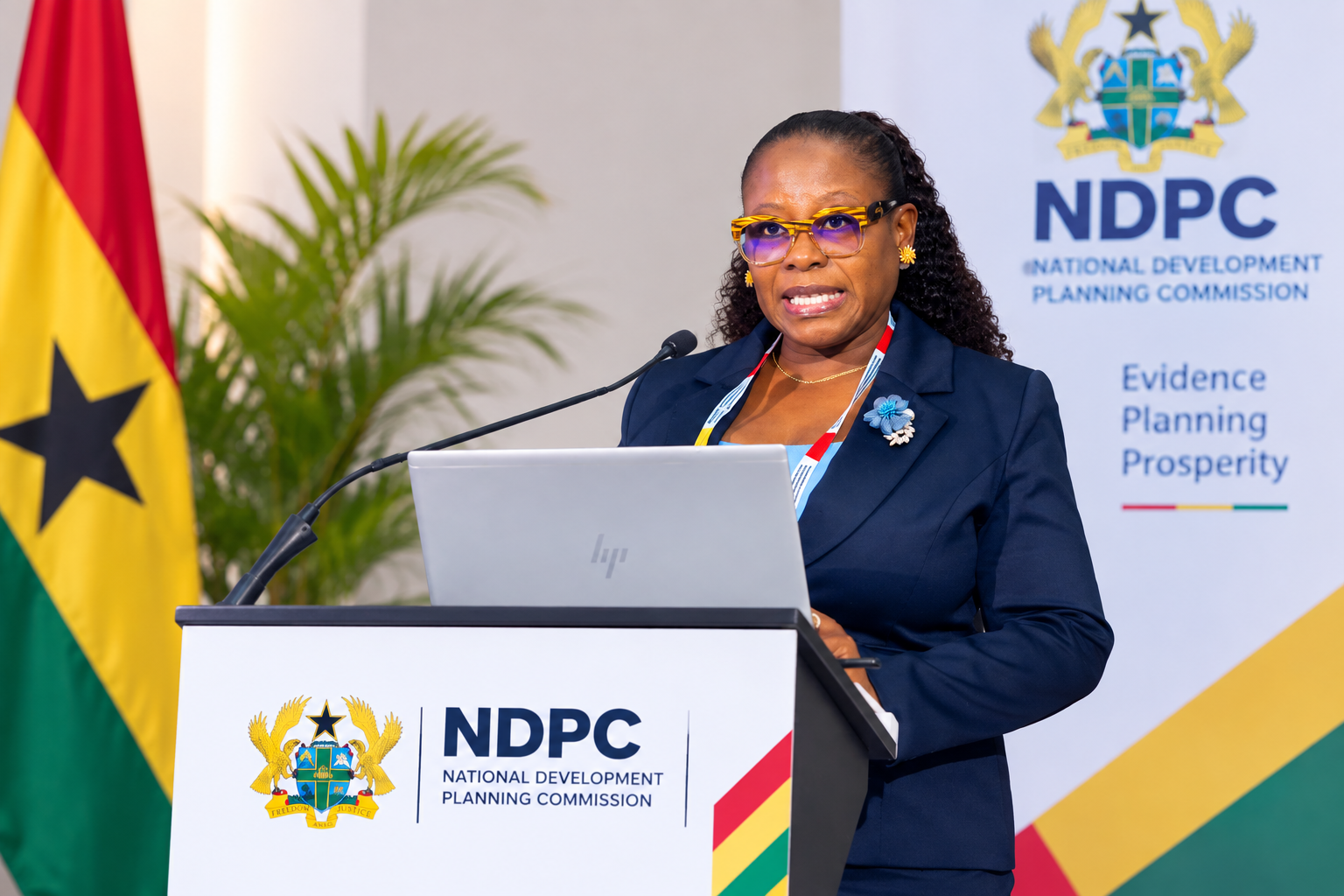
Opening the presentation, a Principal Meteorologist at GMet, Ms Maureen Abla Ahiataku, explained that the Agency’s mandate is to provide weather and climate services that protect lives and property and support socio-economic development. These services include marine and aviation forecasting, numerical weather prediction, public weather updates and the provision of climate data.
She said the Ghana Climate Atlas, developed with support from the Government of Denmark through the Danish Meteorological Institute, is GMet’s first comprehensive long-term climate projection platform. The Atlas was officially launched in March 2026 and provides historical climate information and future projections at the national, regional, district and agro-ecological levels.
Ms Ahiataku noted that although the platform was developed with international support, its technical components were built and are managed by GMet staff. This, she said, would help ensure its sustainability beyond the current phase of the partnership.
She explained that the Atlas provides projections on rainfall, temperature and sea-level rise under low, medium and high greenhouse-gas emission scenarios. Users can examine projected climate conditions for different periods, including 2040, 2060 and towards the end of the century.
Under a medium-emission scenario, she indicated that Ghana’s average temperature could rise from approximately 27.8 degrees Celsius to about 29 degrees Celsius by 2081. Average rainfall could also increase modestly, although the pattern and intensity would vary across the country’s ecological zones. Coastal communities would continue to face risks associated with sea-level rise, erosion and other climate-related pressures.
A Senior Meteorological Technician at GMet, Mr Hayford Asuako Yeboah, demonstrated the Atlas’s interactive online platform. He showed how users can select climate indicators, emission scenarios, geographical areas and projection periods to generate information relevant to their planning and research needs.
The platform also contains historical climate data, technical reports, frequently asked questions and interactive story maps illustrating climate-related challenges. These include coastal erosion in Keta, mangrove depletion, climate-induced migration, irrigation needs and the effects of changing climatic conditions on rice production.
Responding to questions from the Commission on the sustainability of the platform and the dissemination of weather information, Ms Ahiataku said GMet remained the country’s internationally recognised and certified source of official meteorological information.
She added that the Agency was expanding the channels through which weather alerts and warnings are communicated to the public. These include a WhatsApp alert platform, the Common Alerting Protocol system and ongoing discussions with telecommunications companies to deliver location-specific warnings directly to mobile-phone users.
She further noted that proposed amendments to GMet’s governing legislation would strengthen the Agency’s mandate and improve the dissemination of authoritative weather warnings and climate information.
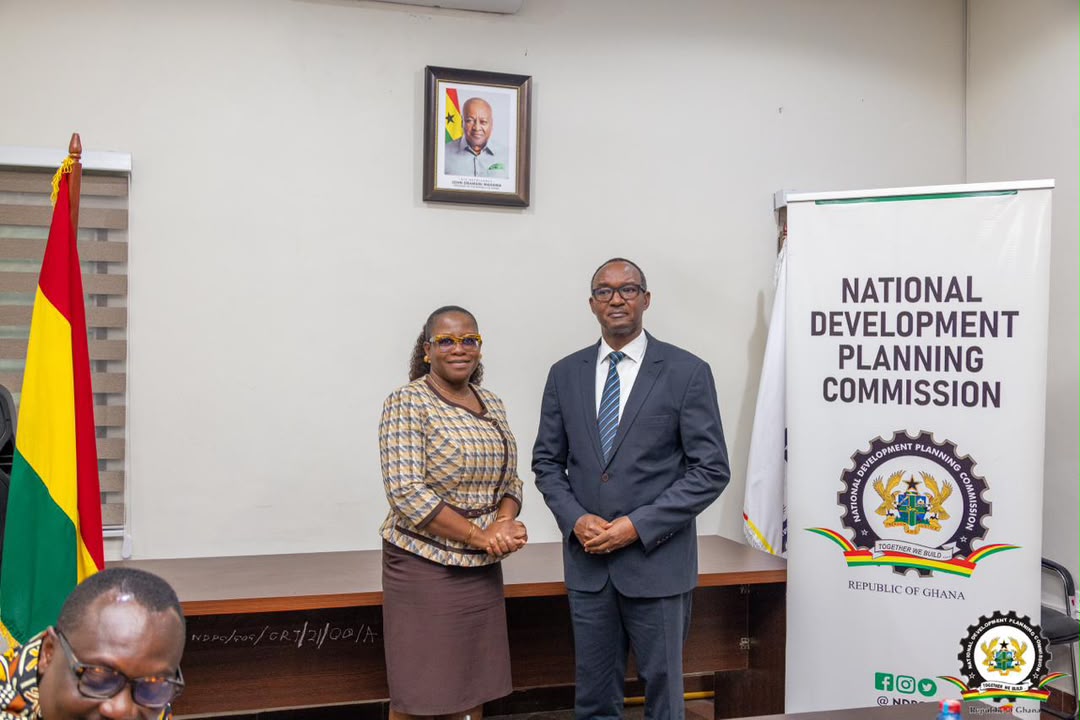
In her closing remarks, the Director-General of NDPC, Dr Audrey Smock Amoah, described the presentation as timely and insightful, noting that climate information would be essential to the preparation and implementation of Ghana’s long-term national development plan.
She observed that the work of GMet cuts across all five dimensions of national development; economic, social, environmental, governance and international relations, and should therefore be embedded in national and subnational planning processes.
Dr Amoah urged GMet to review Ghana’s national development policy framework and align relevant climate indicators with NDPC’s forthcoming national results framework and the country’s Sustainable Development Goals reporting arrangements.
She said closer collaboration between the two institutions would support the development of practical use cases demonstrating how information from the Ghana Climate Atlas could inform policies, development plans, programmes, public investments and climate-resilience interventions.
The Commission, she added, would formally engage GMet to define the scope, implementation arrangements and expected outcomes of the partnership. The collaboration is expected to strengthen institutional capacity to access, interpret and apply climate information and establish pathways for mainstreaming the Ghana Climate Atlas into Ghana’s development planning system.
END
NDPC PR-UNIT